
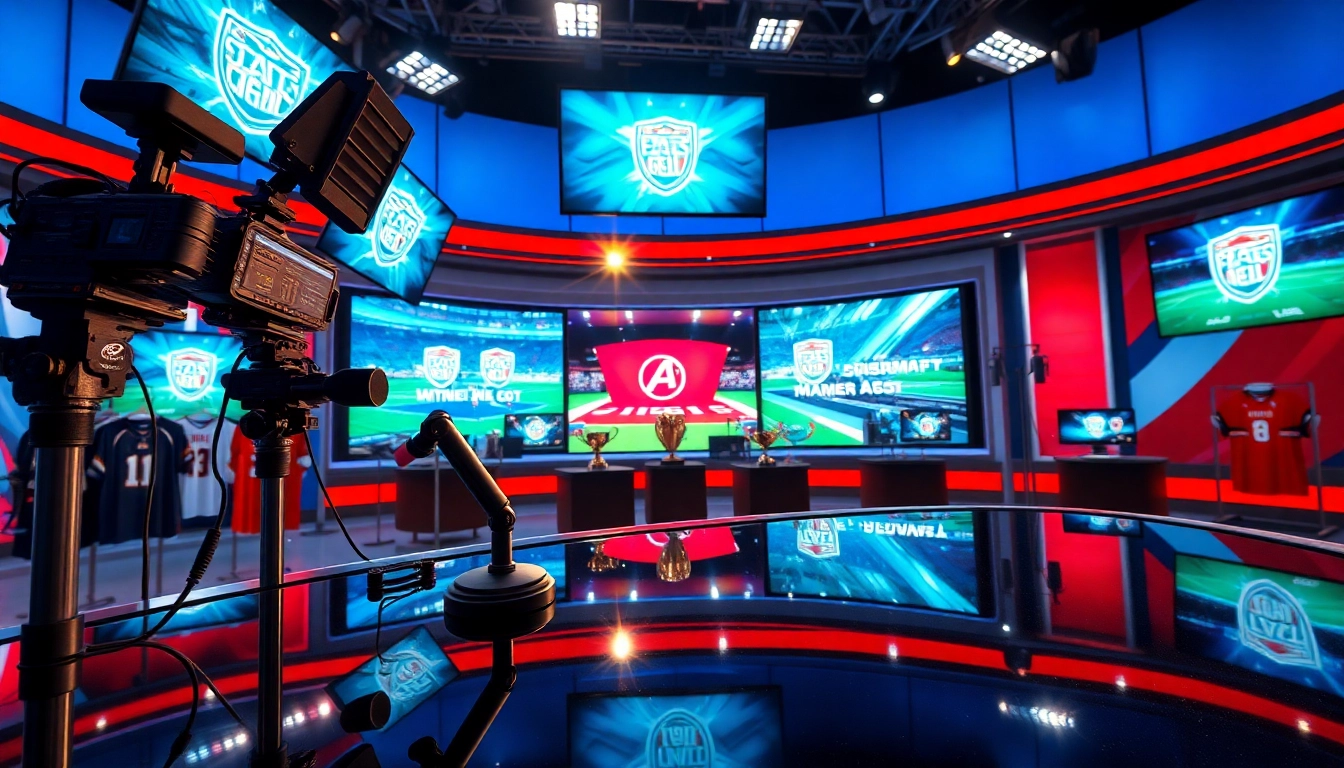
Understanding Sports Broadcasting
What is Sports Broadcasting?
Sports Broadcasting is the live or recorded transmission of sporting events over various media platforms such as television, radio, or online streaming. It serves as a bridge connecting fans with their favorite sports, athletes, and teams, allowing them to experience the excitement of the game from the comfort of their homes or on-the-go. The proliferation of digital platforms has transformed traditional broadcasting, enabling broader accessibility and interaction, especially through social media. Professionals in the field are tasked with not just delivering high-quality content, but also engaging with an audience that demands real-time updates and insights. This evolution has given rise to a more interactive viewing experience, where audiences can follow live statistics, engage in discussions online, and access a wealth of information at their fingertips. For more information related to the field, check out Sports Broadcasting.
History and Evolution of Sports Broadcasting
The journey of sports broadcasting traces back to the early days of radio in the 1920s, where live event coverage began to emerge. Football and boxing were among the first sports to be extensively broadcast, drawing audiences who yearned for real-time updates. The introduction of television in the mid-20th century revolutionized the industry, as networks began to capture the visual excitement of sporting events. By the 1960s, color broadcasting and video replays enhanced viewing experiences, while the rise of cable television led to dedicated sports channels, providing 24-hour sports programming. Digital streaming platforms further escalated this evolution as they offered on-demand and live options, transforming how fans consumed sports content. With the advent of social media, audience engagement soared, leading to a paradigm shift in the broadcasting landscape where fan interaction has become a crucial element of sports promotion.
Key Terminology in Sports Broadcasting
To navigate the world of sports broadcasting, it’s essential to understand key terminology. Terms such as « play-by-play » refer to the detailed commentary that describes the action as it unfolds, while « color commentary » provides analysis and context to enhance viewer understanding. « Tape delay » is a method where events are recorded and aired later, often used for strategic airing times. Furthermore, « graphics package » relates to the visual elements displayed on-screen, including statistics and branding. Understanding these terms is vital for anyone looking to make their mark in the industry.
The Technology Behind Sports Broadcasting
Essential Equipment for Sports Broadcasting
Successful sports broadcasting relies heavily on advanced technology and equipment. Key components include cameras capable of capturing high-definition footage, microphones designed for clear audio capture in dynamic environments, and video switchers that control multiple signals during a live broadcast. Graphics systems also play a pivotal role, serving to deliver real-time statistics and branding to the audience, while satellite uplinks ensure that content can be transmitted across distances seamlessly. Additionally, with the rise of remote broadcasting due to geographic flexibility, organizations now utilize mobile units and live streaming tools that enable on-the-go production, making the delivery of sports content more dynamic and innovative.
Modern Broadcasting Techniques
The landscape of sports broadcasting has been significantly reshaped by modern techniques. Multi-camera setups allow for a variety of angles, providing a more comprehensive view of the action for audiences. Innovations like drones equipped with cameras offer aerial views that enhance storytelling and visuals. Moreover, augmented reality (AR) and virtual reality (VR) have introduced immersive viewing experiences, giving fans a unique perspective of sporting events. Live social media feeds during broadcasts allow viewers to engage with content and interact in real-time, fostering a community that deepens their connection to the sports being covered.
Remote vs. On-site Broadcasting
With technology evolving, the distinction between remote and on-site broadcasting has become more pronounced. On-site broadcasting traditionally allows for direct observation of events, ensuring that broadcasters can capture the atmosphere and nuances of live performances. However, remote broadcasting offers significant benefits, such as cost savings and flexibility, allowing teams to produce high-quality broadcasts from their studios without the need to transport large equipment sets. While both approaches have their advantages, the choice often depends on the scale of the event and the resources available to the broadcasting company.
Challenges in Sports Broadcasting
Common Technical Difficulties
Sports broadcasting is not without its challenges, particularly when it comes to technical issues. Common difficulties can include signal loss, equipment failure, and poor audio or video quality, which can disrupt the viewer’s experience. To mitigate these risks, it’s essential for broadcasting teams to have backup systems in place, conduct thorough pre-event checks, and ensure that all crew members are trained to troubleshoot potential problems. Developing contingency plans can also help minimize downtime and maintain viewer satisfaction.
Legal Considerations and Licensing
Legal factors in sports broadcasting include licensing agreements, copyright issues, and compliance with broadcasting regulations. Rights to broadcast specific events typically require negotiations with sports leagues and teams, ensuring that proper permissions are secured. Failure to obtain the necessary licenses can result in legal repercussions and financial loss. Broadcasting teams must be well-versed in the legal aspects of their operations and establish robust relationships with rights holders to facilitate smooth negotiations and compliance.
Maintaining Audience Engagement
Sustaining audience engagement in the competitive landscape of sports broadcasting is key to success. The challenge lies in not just delivering live events but also creating compelling content that resonates with fans. Interactive features, such as viewer polls, live chats, and engaging commentary, can enhance the viewing experience. Moreover, integrating storylines and background narratives about athletes and teams can further enrich audience engagement. Regularly analyzing viewer feedback and adapting content based on preferences can also play a vital role in retaining and growing the audience base.
Best Practices for Effective Sports Broadcasting
Preparing for a Live Broadcast
Preparation is critical for a successful live broadcast in sports. Extensive research on teams, players, and the sport itself can provide broadcasters with valuable insights to share during the event. Conducting technical rehearsals ensures that all equipment functions correctly and that crew members understand their roles. Creating a detailed run sheet that outlines timings, transitions, and key highlights can help keep the broadcast organized. Equally important is having contingency plans in place for unexpected events, ensuring that the broadcast remains seamless and professional.
Interview Techniques with Athletes
Interviews with athletes can offer viewers a unique perspective on the sport. Effective techniques include thorough preparation, forming a relationship with athletes to create a comfortable atmosphere, and asking open-ended questions that allow for more profound insights. It’s essential to listen actively, responding dynamically to the athlete’s answers to facilitate a more engaging conversation. Furthermore, respecting sensitive topics and maintaining professionalism is crucial in creating a trustful environment during interviews.
Utilizing Social Media in Sports Broadcasting
The impact of social media on sports broadcasting cannot be overstated. Platforms like Twitter, Instagram, and Facebook provide broadcasters with a direct line to their audience, making it easier to communicate real-time updates and engage fans. Incorporating social media trends and hashtags into broadcasts can amplify viewership and foster community discussions. Regular interaction with followers, such as Q&A sessions and polls, can create a sense of inclusion, further enhancing fan loyalty and engagement.
Measuring Success in Sports Broadcasting
Key Performance Indicators (KPIs)
To gauge the effectiveness of sports broadcasting efforts, specific Key Performance Indicators (KPIs) must be established. Metrics like viewership numbers, audience retention rates, and social media engagement levels provide valuable insights into the success of broadcasts. Additionally, measuring advertising revenue and sponsorship effectiveness can give broadcasters a clearer understanding of their financial performance. By analyzing these KPIs, broadcasting companies can make informed decisions regarding content strategies and operational improvements.
Audience Measurement Techniques
Several techniques can be employed to measure audience engagement and preferences in sports broadcasting. Traditional methods include Nielsen ratings for television, which provide metrics based on viewership. Digital platforms offer additional metrics, such as click-through rates, average watch times, and viewer demographics. Conducting surveys and polls can also help understand audience preferences and satisfaction levels, allowing broadcasters to adapt their content accordingly.
Adapting Based on Viewer Feedback
Viewer feedback is a wealth of information for broadcasters seeking to improve their offerings. Analyzing audience feedback through surveys and social media can pinpoint areas of strength and weakness within broadcasts. Implementing changes based on viewer suggestions can lead to enhanced satisfaction and loyalty, while failure to adapt can result in a decline in viewership. Encouraging ongoing audience feedback and demonstrating responsiveness can create a stronger connection between broadcasters and their fans.
Frequently Asked Questions (FAQs)
What are the key components of sports broadcasting?
Key components include live event coverage, commentary, graphics, and audience engagement through various media platforms.
How has technology changed sports broadcasting?
Technology has introduced high-definition cameras, drones, AR, VR, and real-time statistics, significantly enhancing the viewer experience.
What should I know about licensing in sports broadcasting?
Licensing is crucial for legal coverage, requiring proper negotiations to secure rights with sports teams and leagues.
How can I engage an audience during a broadcast?
Engaging an audience involves interactive features, compelling storytelling, and active responses to viewers’ feedback and preferences.
What are KPIs in sports broadcasting?
KPIs include viewership numbers, audience retention, social media engagement, and revenue from advertisements and sponsorships.